
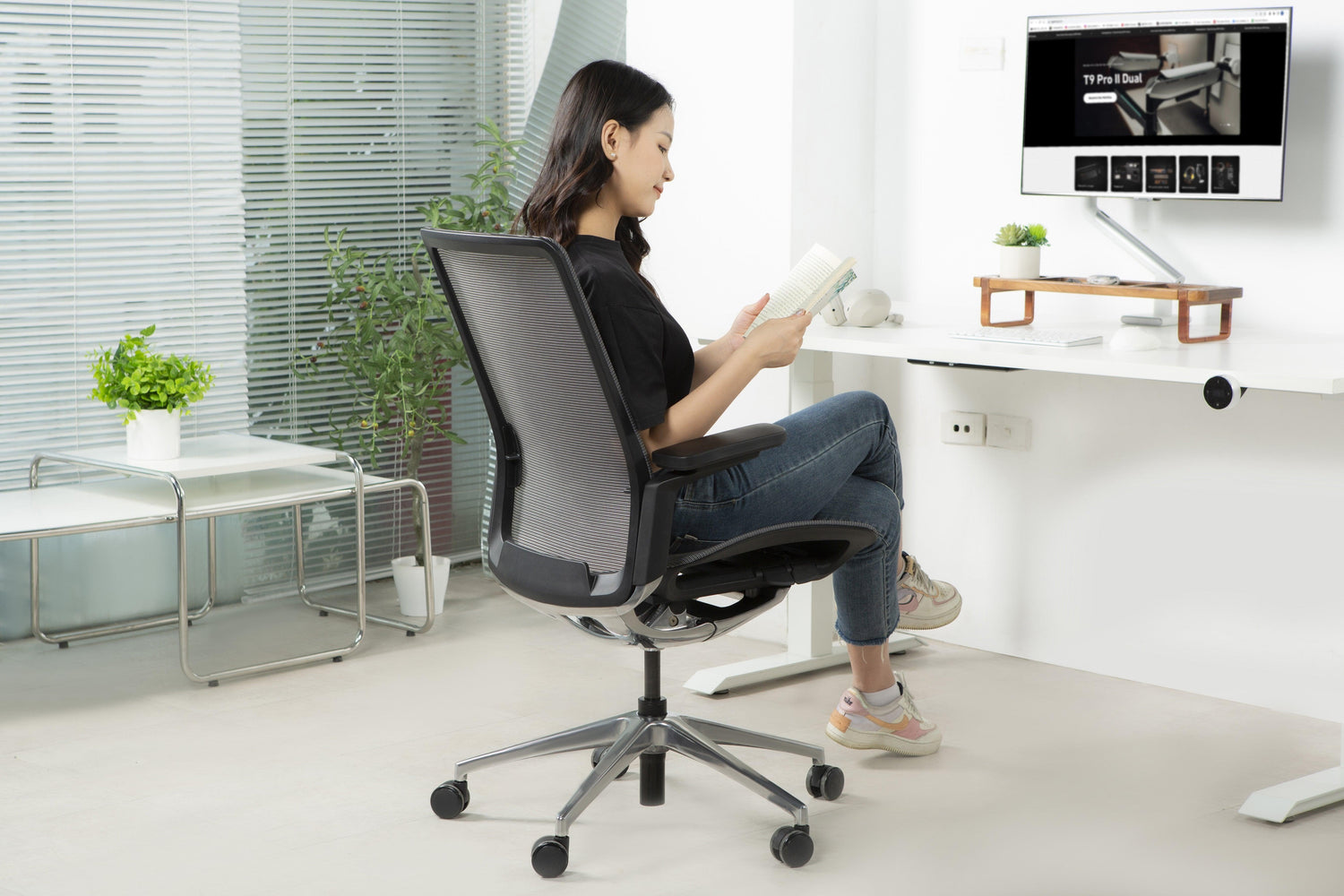
Ergonomic chairs are increasingly popular and trusted today thanks to the comfort and convenience they offer. One of the important details of these chairs is the piston system. Let HyperWork help you understand the definition and function of this component to make an informed decision when buying an ergonomic chair!

What is a piston on an ergonomic chair?
Known by many names such as gas lift, gas spring, etc., a piston is essentially the main weight-bearing component of a chair, helping to adjust and change the chair's height to suit the user's body shape and needs.

Most ergonomic chairs today are equipped with pistons made from gas cylinders. The operating principle of this component is that the user needs to apply force (usually their body weight) to raise or lower the chair to the desired height. Common pistons today usually have a diameter of 50mm.
Classification of pistons on ergonomic chairs
Based on their weight capacity, pistons on ergonomic chairs are divided into 5 classes from Class 1 to Class 5:
|
Class 1 |
Class 2 |
Class 3 |
Class 4 |
Class 5 |
|
|
Maximum weight |
100kg |
120kg |
150kg |
150kg |
220kg |
|
Inner diameter |
1.2mm |
1.2mm |
1.5mm |
1.5mm |
2mm |
|
Outer diameter |
1.5mm |
2mm |
2mm |
2.5mm |
2.5mm |
|
Characteristics |
Not BIFMA approved. Quality not guaranteed. |
Widely used in low-quality office chairs. |
Widely used in low-quality gaming chairs. |
Good quality standard for gaming and office chairs. |
Only used in specialized products requiring exceptionally high load capacity and durability in specific environments |
Inexpensive or mass-produced office chairs often use Class 1 or Class 2. Class 3 is used for entry-level or mid-range gaming and ergonomic chairs. Class 4 is typically used in more premium ergonomic chairs, and Class 5 is only for specialized products designed for specific environments.
Some manufacturers do not specify the Class on their chairs. Instead, they only state the maximum load capacity of the piston. This can be misleading because Class 3 and Class 4 have the same load capacity, but in terms of price and quality, Class 4 is slightly superior and more durable.
Notes on choosing a piston when buying an ergonomic chair
It is advisable to choose a quality piston component that helps keep the chair stable and secure after adjustment, preventing it from sliding or gradually sinking when seated. Additionally, the internal gas cylinder mechanism needs to be smooth and responsive, providing a flexible and seamless adjustment experience.
Another equally important point when buying a chair is to choose a highly reputable distribution brand in the market. Reputable brands not only guarantee quality, longevity, and high durability but also provide special warranty and after-sales policies.

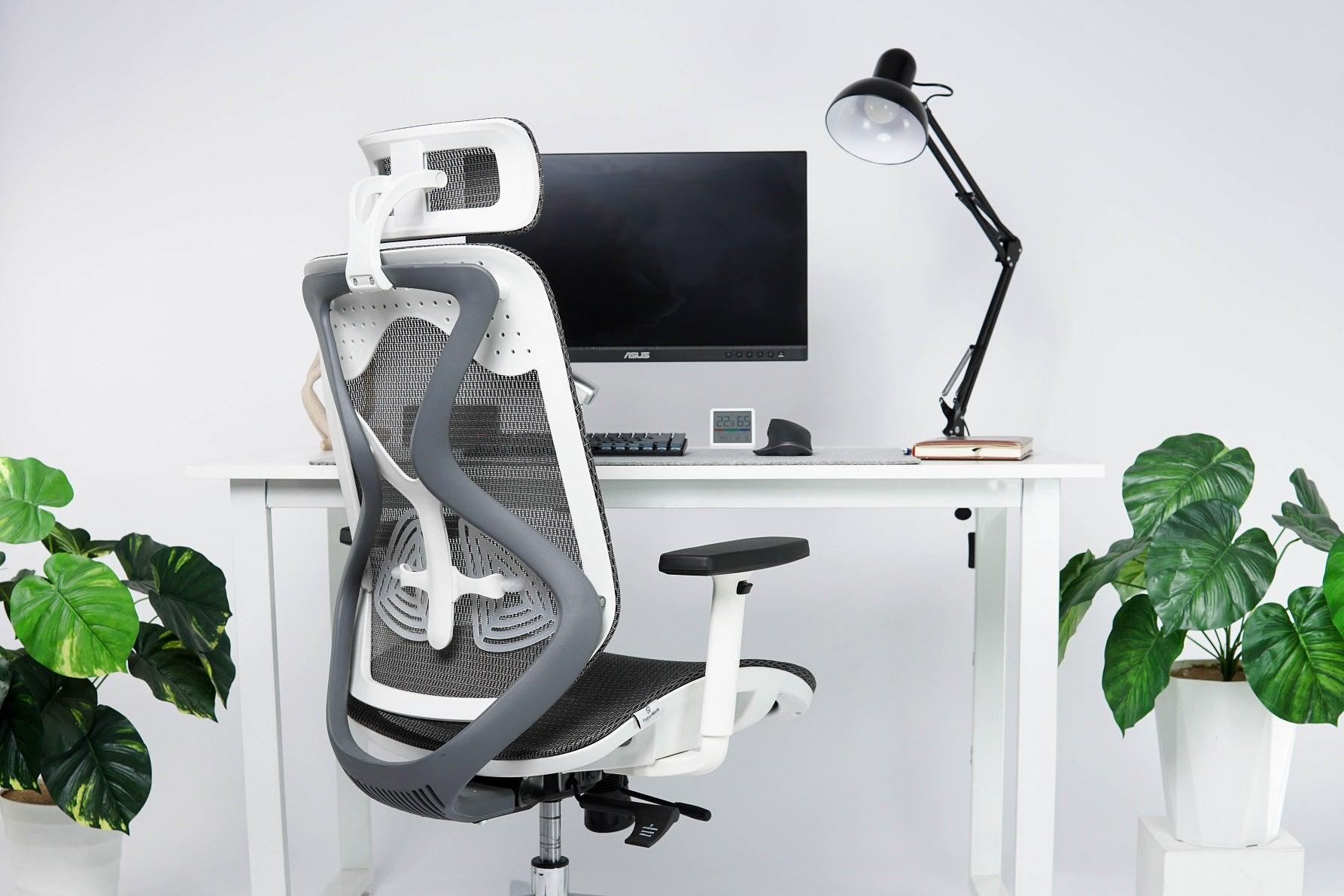
Proud to be a leading brand in providing optimal solutions for your workspace, HyperWork Sleek and Airy are both equipped with Class 4 pistons to ensure customer peace of mind during use.




Leave a comment
This site is protected by hCaptcha and the hCaptcha Privacy Policy and Terms of Service apply.