
Have you ever read the technical specifications on the packaging or the assembly and usage instructions for an ergonomic chair? Do terms like 5D armrests or 2D headrests pique your interest?
What do 2D, 3D, or 6D mean?
The terms 2D, 3D, 5D, or 6D describe the flexible adjustment capabilities of different parts of an ergonomic chair. D stands for dimension, allowing users to adjust the chair in various directions to achieve optimal comfort and support.
Basic dimensions for armrests and headrests
- Height adjustment: Can be moved up and down to suit the user's height.
- Tilt adjustment: The armrest or headrest can be tilted forward or backward, helping users adjust their sitting posture comfortably.
- Width adjustment: For example, armrests can move closer to or further from the body for comfort.
- Depth adjustment: Armrests or headrests can be adjusted forward or backward to match the user's body position.
- Swivel adjustment: Some chairs allow the armrest to rotate 360 degrees or the headrest to swivel left or right.
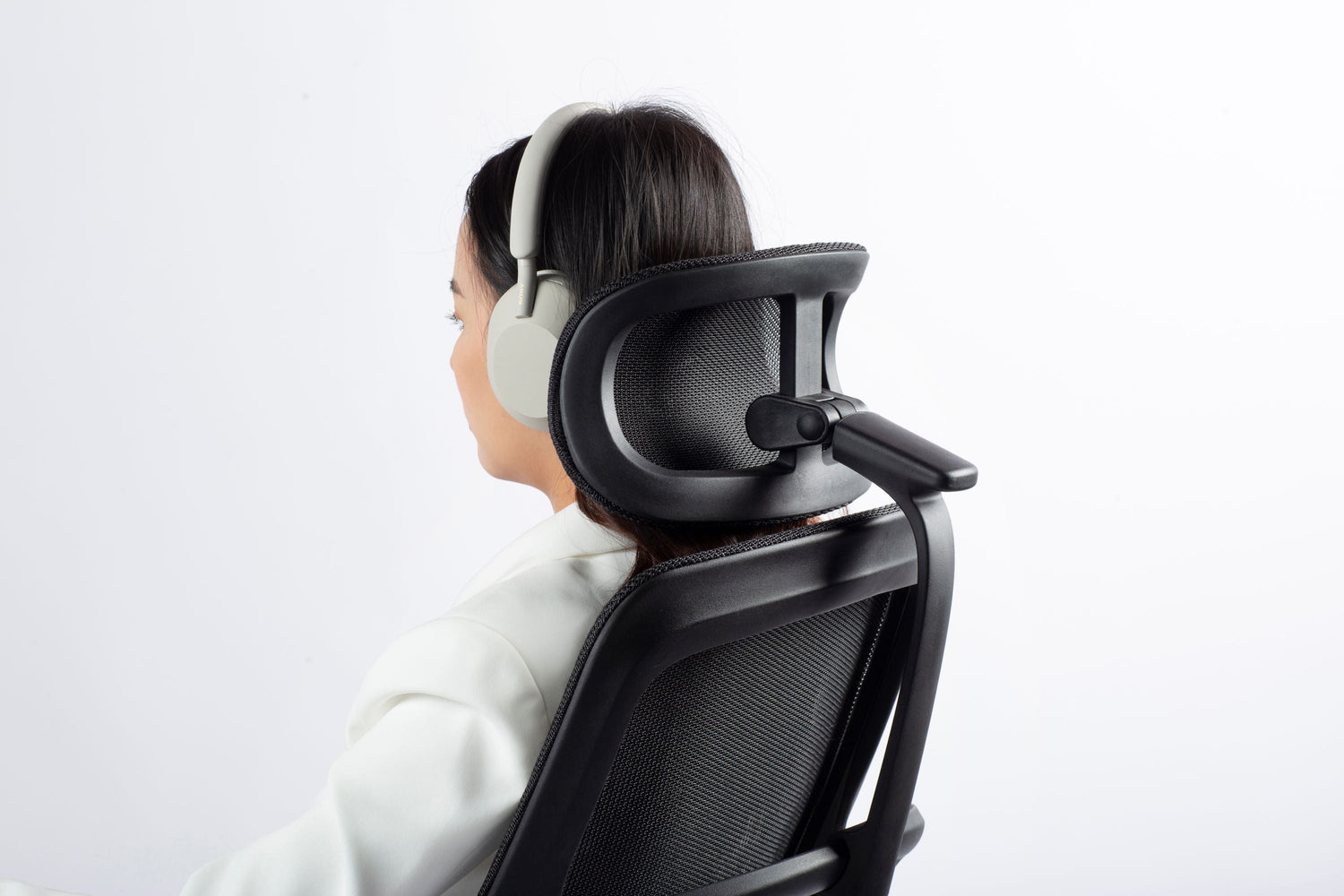
- Headrest height adjustment: The headrest can be adjusted up and down to support the neck and head, helping to reduce tension.
Benefits of multi-dimensional chair adjustments
- Optimized comfort: A multi-dimensionally adjustable chair allows users to easily customize it to best fit their body.
- Better body support: Especially for those who sit for long periods, flexible armrest and headrest adjustments reduce tension and fatigue.
- Reduced risk of health issues: Proper chair adjustment helps alleviate pressure on the body in the long run.

Examples of 6D armrests or headrests
6D Armrest:
- Height: Armrests can be raised or lowered vertically to align with desk height, creating a comfortable sitting posture and fully supporting the arms from the desk to the chair's armrest.
- Width: Can be adjusted to move armrests closer to or further from the body, suitable for different body types.
- Depth: Armrests can move forward or backward, serving purposes such as reaching far/near when working or gaming.
- Swivel: Armrests can swivel left or right to suit hand positions (e.g., when needing to turn to work with a secondary monitor, laptop, or tablet nearby).

- Tilt: Armrests can be tilted up or down, optimizing comfort while sitting (e.g., when reading, one end of the armrest can be tilted up, the other down).
- Direction adjustment: Armrests can be adjusted diagonally, or some chairs allow adjustment of the armrest's orientation.

6D Headrest:
- Height: The headrest can move up or down to suit the head and neck curve of tall or short individuals.
- Tilt: The headrest can tilt forward or backward to provide better neck support, useful for moments of rest or concentration.
- Swivel: The headrest can swivel left or right to help reduce neck and head tension.
- Headrest recline adjustment: The headrest can be slightly reclined backward or upward to optimize comfort during rest.

- Width: Sometimes the headrest can be adjusted to suit the user's size.
- Depth: The headrest can be adjusted forward or backward to provide comfort for the user.

Using chairs with diverse adjustable components not only provides convenience but also helps protect your health during long hours of work or study.



Leave a comment
This site is protected by hCaptcha and the hCaptcha Privacy Policy and Terms of Service apply.