
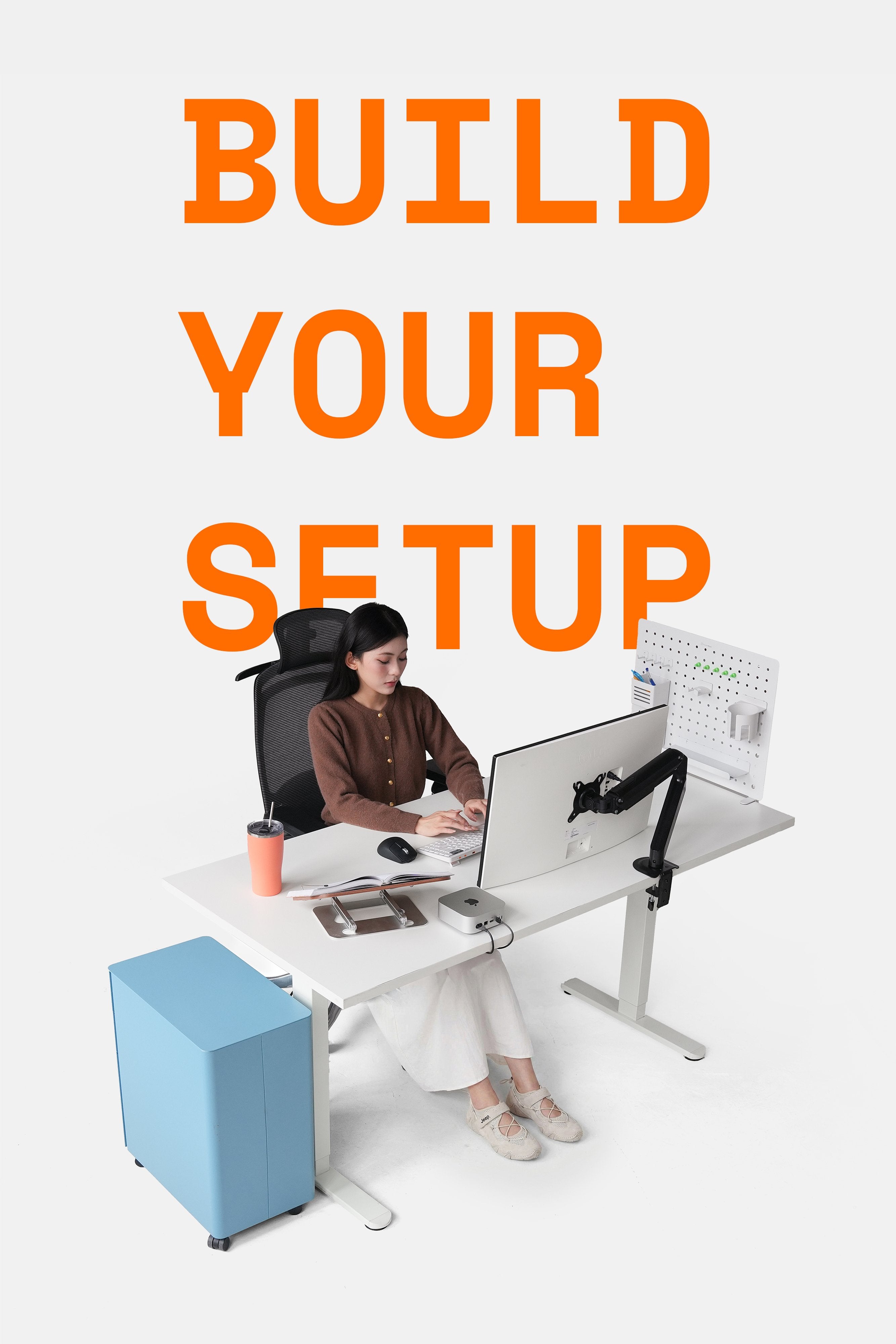

"Office syndrome" is becoming increasingly common, especially among young people who spend 8-12 hours at the office daily and often get caught up in the modern pace of life, neglecting a scientific and meticulous lifestyle.
Back pain, cervical spondylosis
For those who tend to work in a sedentary position for extended periods—days, months, or even years—back pain and cervical spondylosis are common symptoms. Maintaining a static posture continuously increases pressure on the spine, leading to stiffness and aches in various body parts.
To mitigate these effects, office workers should be deeply aware of maintaining correct sitting posture and regularly perform on-the-spot exercises for the back, neck, shoulders, and nape, such as turning left and right, twisting, or standing up and walking around.
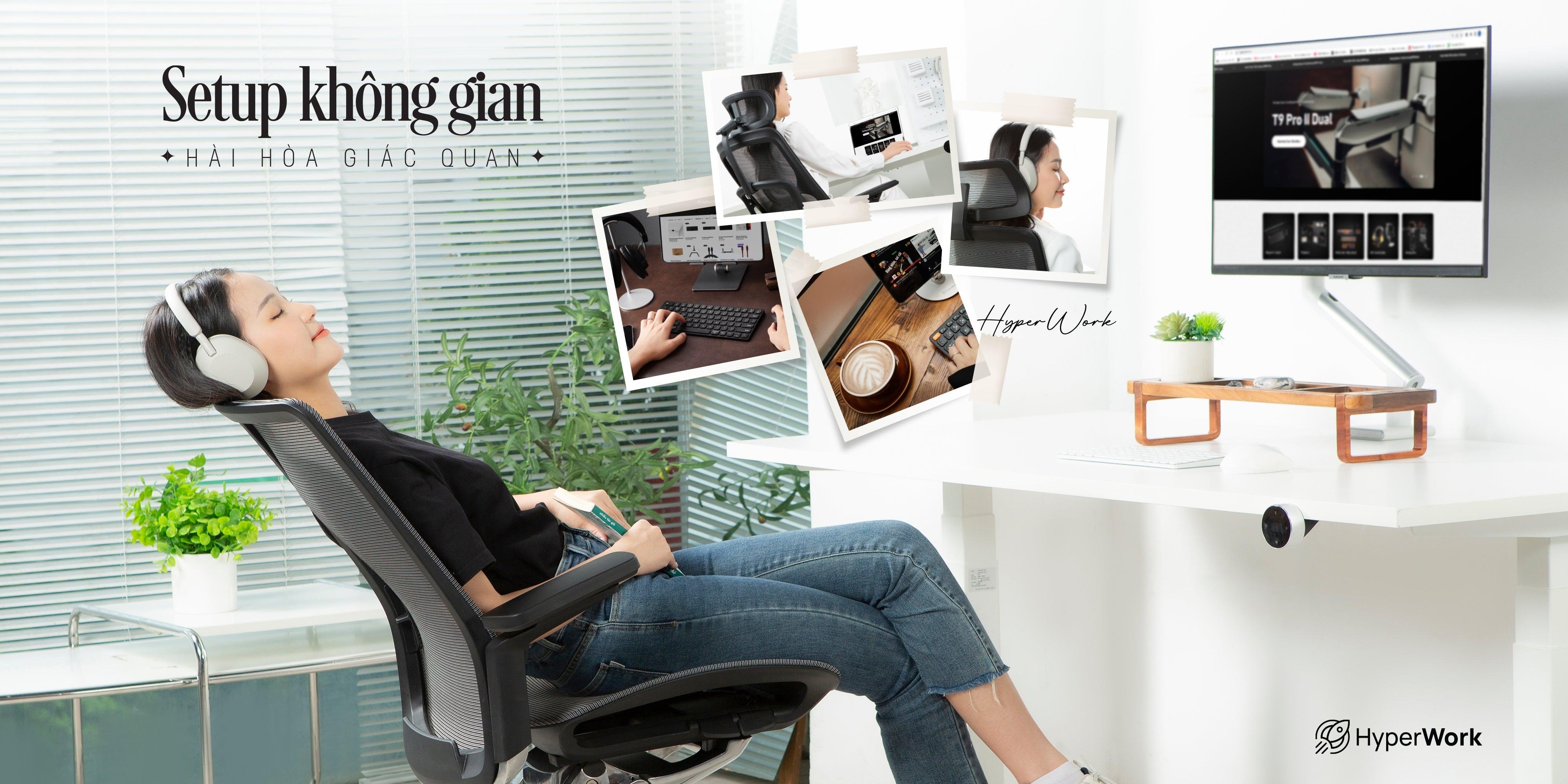
Many offices have now incorporated ergonomic chairs and equipment into the workspace, helping employees maintain long-term health and ensure work efficiency. Specifically, an ergonomic chair can help the user adjust the height, width, headrest tilt, and armrest angle to suit their body shape. Sitting for long periods without fatigue will help users feel comfortable, reducing back pain and spinal degeneration after extended office work.

Carpal tunnel syndrome
This syndrome arises from users having to hyperextend their wrists for too long when using thick mechanical keyboards or rubber keyboards. The correct wrist posture is straight, rather than forcing ligaments to constantly bend. Therefore, users should consider adding a keyboard wrist rest. A one-piece wrist rest is convenient for portability, while a two-piece wrist rest is suitable for curved keyboards. The material for the wrist rest should also be balanced to prevent sweating and stuffiness.


Eye conditions
Continuous exposure to screens for long periods can damage eyes, leading to refractive errors, which is not uncommon. Many people have started paying attention to this issue by changing their work habits: resting their eyes after 20-30 minutes of screen focus, using eye drops, and supplementing with eye-healthy foods.
Additionally, you can use monitor stands, phone stands, laptop stands, and iPad stands to help maintain an ideal viewing distance from electronic devices. This allows you to adjust the height, rotate left and right, flip, and tilt the screen to suit your sitting position for easier work and interaction.


Flu, pneumonia, sinusitis or skin conditions
Offices are also places where fine dust and bacteria hide. Crowded, enclosed spaces are more prone to spreading respiratory and dermatological diseases than other open environments. You should proactively and regularly clean your workspace to avoid issues like flu, pneumonia, sinusitis, or atopic dermatitis and seasonal dermatitis.

Overweight, obesity
Sedentary work combined with a lack of exercise and physical activity leads many people to become overweight or obese after years of office work. To prevent these negative effects, you should maintain a correct sitting posture (straight back, feet flat on the floor). Additionally, the trend of standing work is gradually becoming popular in many offices. Every 30 minutes, you can easily switch to standing work with a standing desk that supports height adjustment and smart timers.





Leave a comment
This site is protected by hCaptcha and the hCaptcha Privacy Policy and Terms of Service apply.